
Tacedinaline
Tacedinaline is a small molecule pharmaceutical. It is currently being investigated in clinical studies.
Download report
Favorite
Events Timeline
Commercial
Clinical
Drug
Target
Variants
Financial
Trends
Safety
Events Timeline
5D
1M
3M
6M
YTD
1Y
2Y
5Y
Max
Events
FDA approval date
EMA approval date
Patent expiration date
Study first post date
Last update post date
Start date
Primary completion date
Completion date
Results first post date
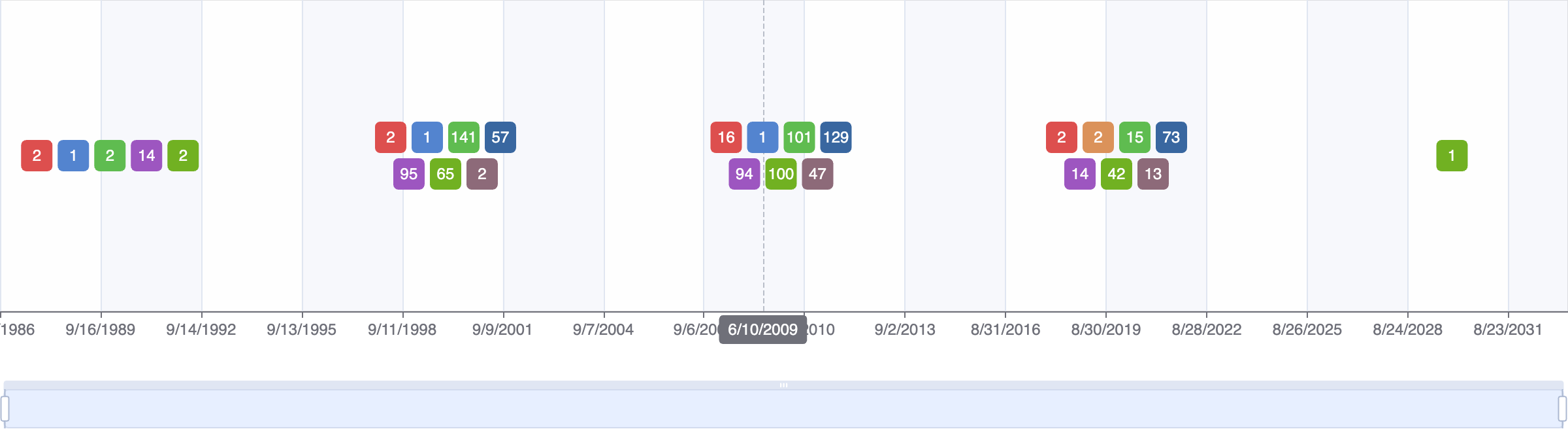
Mock data
Subscribe for the real data
Subscribe for the real data
Commercial
No data
Clinical
Clinical Trials
3 clinical trials
View more details
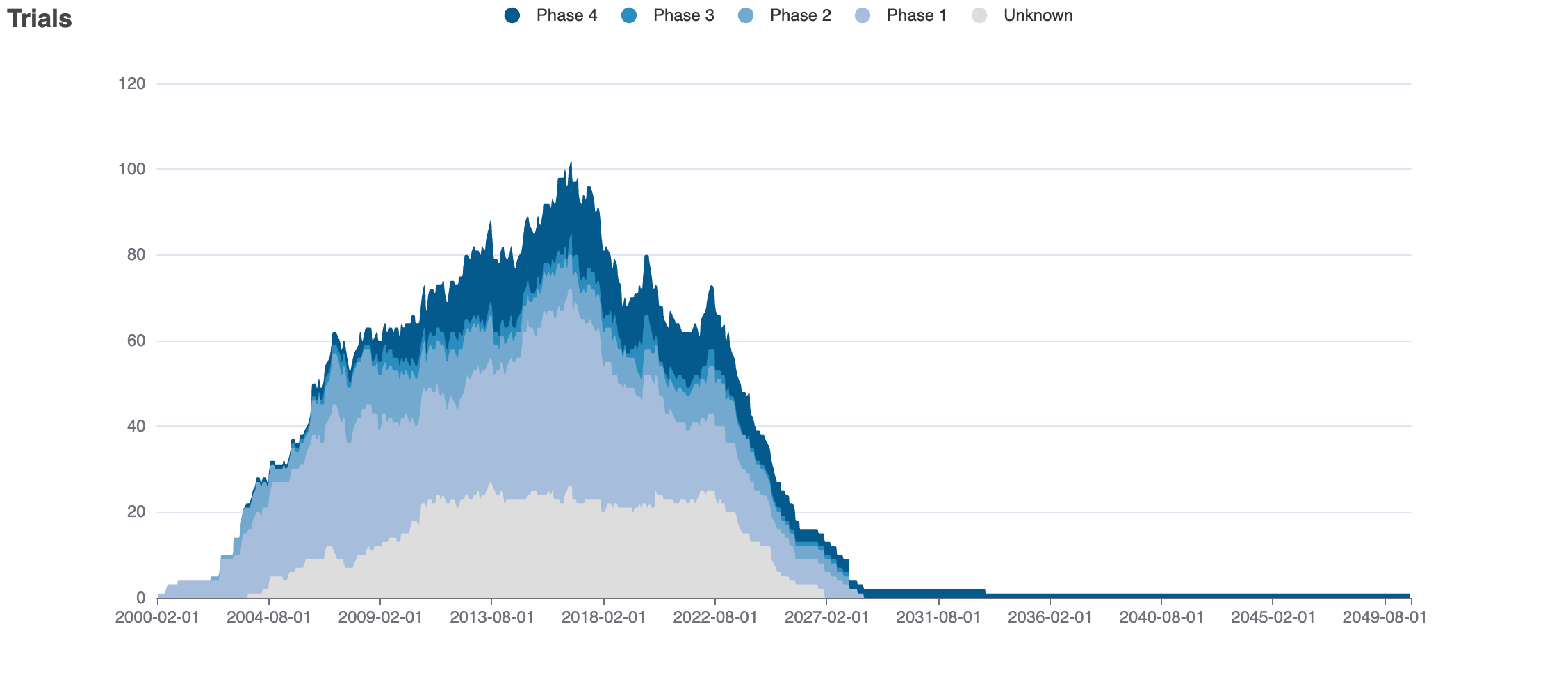
Mock data
Subscribe for the real data
Subscribe for the real data
Indications Phases 4
No data
Indications Phases 3
Indication | MeSH | Ontology | ICD-10 | Ph 1 | Ph 2 | Ph 3 | Ph 4 | Other | Total |
|---|---|---|---|---|---|---|---|---|---|
| Non-small-cell lung carcinoma | D002289 | — | — | — | — | 1 | — | — | 1 |
| Lung neoplasms | D008175 | — | C34.90 | — | — | 1 | — | — | 1 |
Indications Phases 2
Indication | MeSH | Ontology | ICD-10 | Ph 1 | Ph 2 | Ph 3 | Ph 4 | Other | Total |
|---|---|---|---|---|---|---|---|---|---|
| Multiple myeloma | D009101 | — | C90.0 | — | 1 | — | — | — | 1 |
| Plasma cell neoplasms | D054219 | — | — | — | 1 | — | — | — | 1 |
| Pancreatic neoplasms | D010190 | EFO_0003860 | C25 | — | 1 | — | — | — | 1 |
Indications Phases 1
No data
Indications Without Phase
No data
Epidemiology
Epidemiological information for investigational and approved indications
View more details
Drug
General
| Drug common name | Tacedinaline |
| INN | tacedinaline |
| Description | Tacedinaline is a benzamide obtained by formal condensation of the carboxy group of 4-acetamidobenzoic acid with one of the amino groups of 1,2-phenylenediamine. An oral cytostatic drug with impressive differential activity against leukemic cells and normal stem-cells. Also used in combination therapy for selected tumors including non-smoll cell lung, pancreatic, breast, and colorectal cancers. It has a role as an EC 3.5.1.98 (histone deacetylase) inhibitor and an antineoplastic agent. It is a member of acetamides, a member of benzamides and a substituted aniline. It is functionally related to a 1,2-phenylenediamine. |
| Classification | Small molecule |
| Drug class | narcotic agonists/antagonists (normorphine type) |
| Image (chem structure or protein) |  |
| Structure (InChI/SMILES or Protein Sequence) | CC(=O)Nc1ccc(C(=O)Nc2ccccc2N)cc1 |
Identifiers
| PDB | — |
| CAS-ID | 112522-64-2 |
| RxCUI | — |
| ChEMBL ID | CHEMBL235191 |
| ChEBI ID | 90195 |
| PubChem CID | — |
| DrugBank | — |
| UNII ID | UMF554N5FG (ChemIDplus, GSRS) |
Target
No data
Variants
No data
Financial
No data
Trends
PubMed Central
Top Terms for Disease or Syndrome:
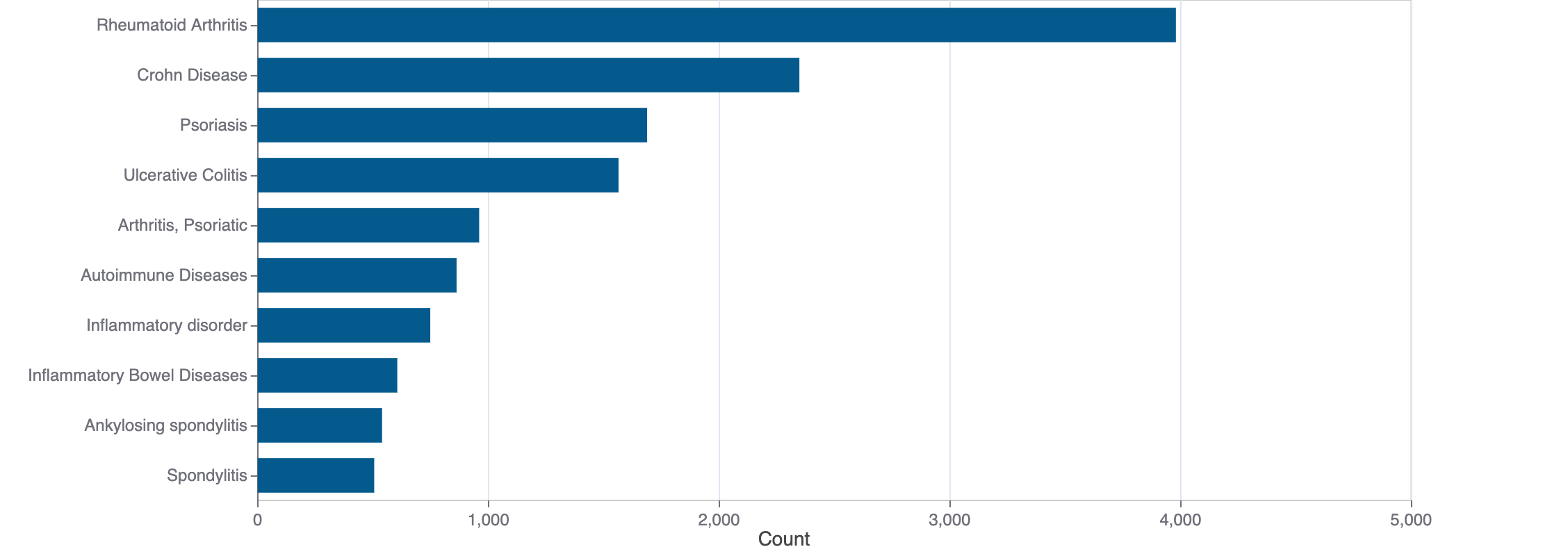
Mock data
Subscribe for the real data
Subscribe for the real data
Additional graphs summarizing 435 documents
View more details
Safety
Black-box Warning
No Black-box warning
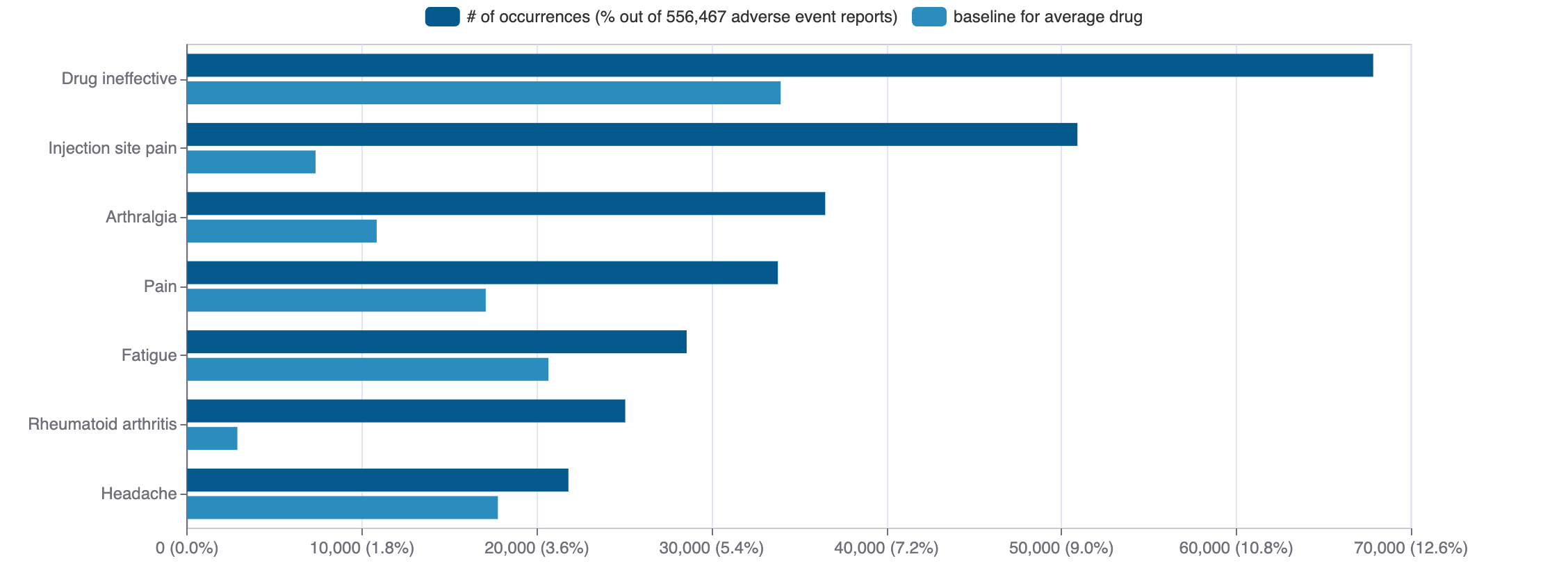
Adverse Events
© 2020-2025 Collaborative Drug Discovery Inc. (CDD) | Terms of Use