
Lucitanib
Lucitanib is a small molecule pharmaceutical. It is currently being investigated in clinical studies. It is known to target platelet-derived growth factor receptor alpha, proto-oncogene tyrosine-protein kinase receptor Ret, mast/stem cell growth factor receptor Kit, vascular endothelial growth factor receptor 1, platelet-derived growth factor receptor beta, vascular endothelial growth factor receptor 2, and fibroblast growth factor receptor 1.
Download report
Favorite
Events Timeline
Commercial
Clinical
Drug
Target
Variants
Financial
Trends
Safety
Events Timeline
5D
1M
3M
6M
YTD
1Y
2Y
5Y
Max
Events
FDA approval date
EMA approval date
Patent expiration date
Study first post date
Last update post date
Start date
Primary completion date
Completion date
Results first post date
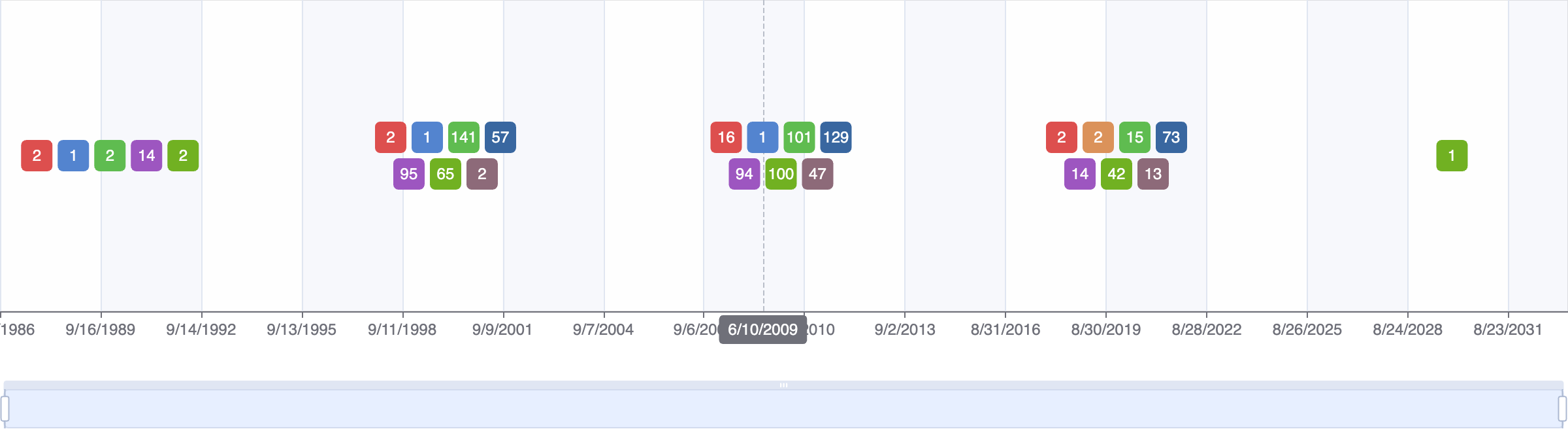
Mock data
Subscribe for the real data
Subscribe for the real data
Commercial
No data
Clinical
Clinical Trials
25 clinical trials
View more details
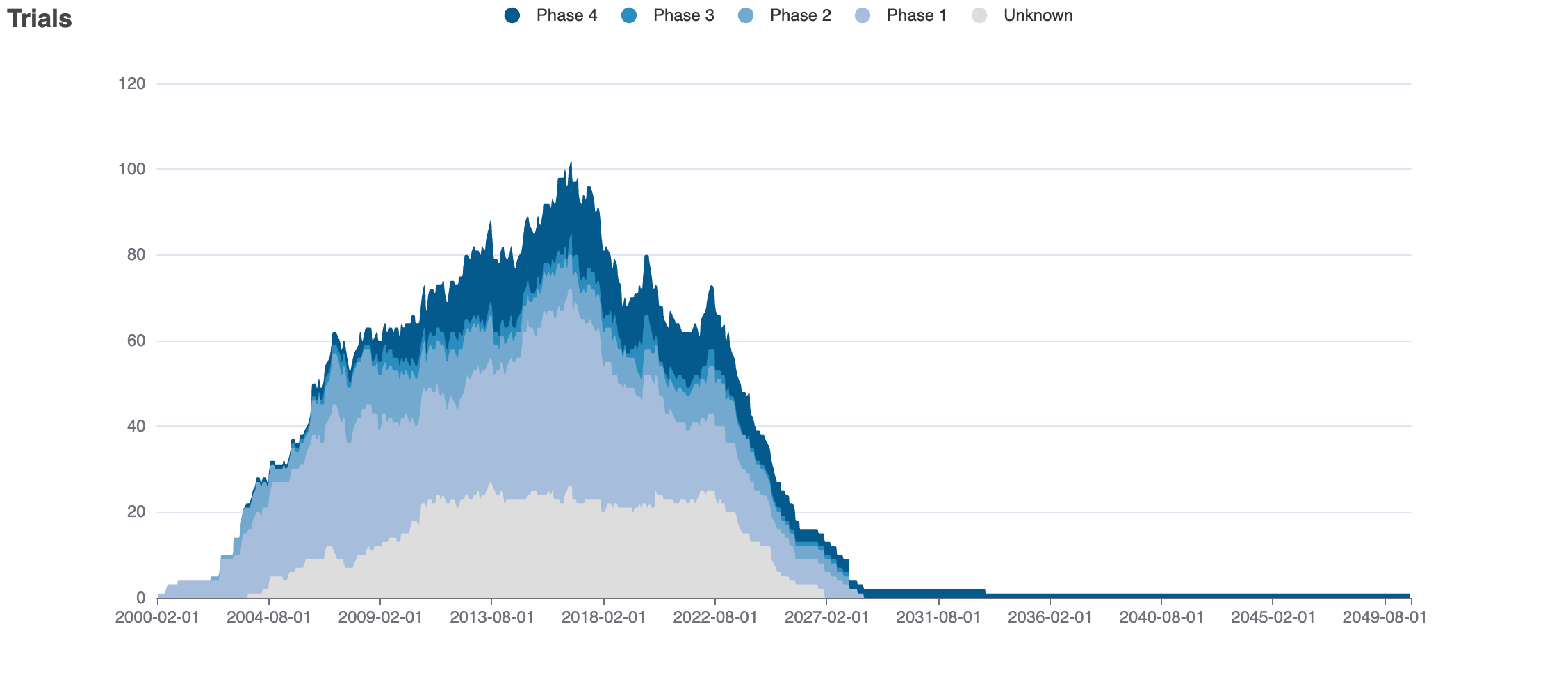
Mock data
Subscribe for the real data
Subscribe for the real data
Indications Phases 4
No data
Indications Phases 3
No data
Indications Phases 2
Indication | MeSH | Ontology | ICD-10 | Ph 1 | Ph 2 | Ph 3 | Ph 4 | Other | Total |
|---|---|---|---|---|---|---|---|---|---|
| Ovarian neoplasms | D010051 | EFO_0003893 | C56 | 1 | 1 | — | — | — | 1 |
| Neoplasms | D009369 | — | C80 | 1 | 1 | — | — | — | 1 |
| Endometrial neoplasms | D016889 | EFO_0004230 | — | 1 | 1 | — | — | — | 1 |
| Fallopian tube neoplasms | D005185 | — | — | 1 | 1 | — | — | — | 1 |
| Female genital neoplasms | D005833 | — | — | 1 | 1 | — | — | — | 1 |
| Uterine cervical neoplasms | D002583 | — | — | 1 | 1 | — | — | — | 1 |
| Carcinoma | D002277 | — | C80.0 | 1 | 1 | — | — | — | 1 |
| Non-small-cell lung carcinoma | D002289 | — | — | 1 | 1 | — | — | — | 1 |
Indications Phases 1
No data
Indications Without Phase
No data
Epidemiology
Epidemiological information for investigational and approved indications
View more details
Drug
General
| Drug common name | Lucitanib |
| INN | lucitanib |
| Description | E-3810 free base is a naphthalenecarboxamide obtained from formal condensation of the carboxy group of aminocyclopropyl)methoxy]-6-methoxyquinolin-4-yl}oxy)-1-naphthoic acid with methylamine. It has a role as an antineoplastic agent, a fibroblast growth factor receptor antagonist and a vascular endothelial growth factor receptor antagonist. It is a member of quinolines, an aromatic ether, a member of cyclopropanes, a primary amino compound and a naphthalenecarboxamide. It is a conjugate base of an E-3810(1+). |
| Classification | Small molecule |
| Drug class | angiogenesis inhibitors |
| Image (chem structure or protein) |  |
| Structure (InChI/SMILES or Protein Sequence) | CNC(=O)c1cccc2cc(Oc3ccnc4cc(OCC5(N)CC5)c(OC)cc34)ccc12 |
Identifiers
| PDB | — |
| CAS-ID | 1058137-23-7 |
| RxCUI | — |
| ChEMBL ID | CHEMBL2220486 |
| ChEBI ID | 65209 |
| PubChem CID | 25031915 |
| DrugBank | — |
| UNII ID | PP449XA4BH (ChemIDplus, GSRS) |
Target
Agency Approved
No data
Alternate
RET
RET
Organism
Homo sapiens
Gene name
RET
Gene synonyms
CDHF12, CDHR16, PTC, RET51
NCBI Gene ID
Protein name
proto-oncogene tyrosine-protein kinase receptor Ret
Protein synonyms
Cadherin family member 12, cadherin-related family member 16, Proto-oncogene c-Ret, rearranged during transfection, ret proto-oncogene (multiple endocrine neoplasia and medullary thyroid carcinoma 1, Hirschsprung disease), RET receptor tyrosine kinase
Uniprot ID
Mouse ortholog
Ret (19713)
proto-oncogene tyrosine-protein kinase receptor Ret (P35546)
Variants
No data
Financial
No data
Trends
PubMed Central
Top Terms for Disease or Syndrome:
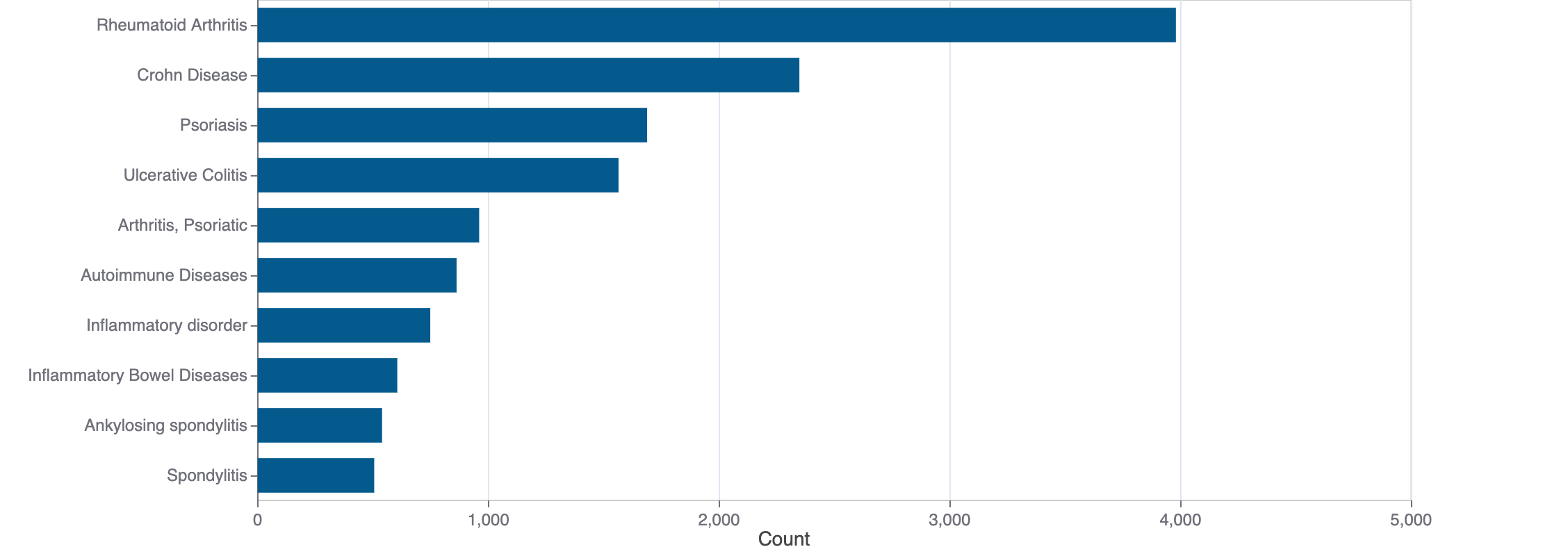
Mock data
Subscribe for the real data
Subscribe for the real data
Additional graphs summarizing 487 documents
View more details
Safety
Black-box Warning
No Black-box warning
Adverse Events
Top Adverse Reactions
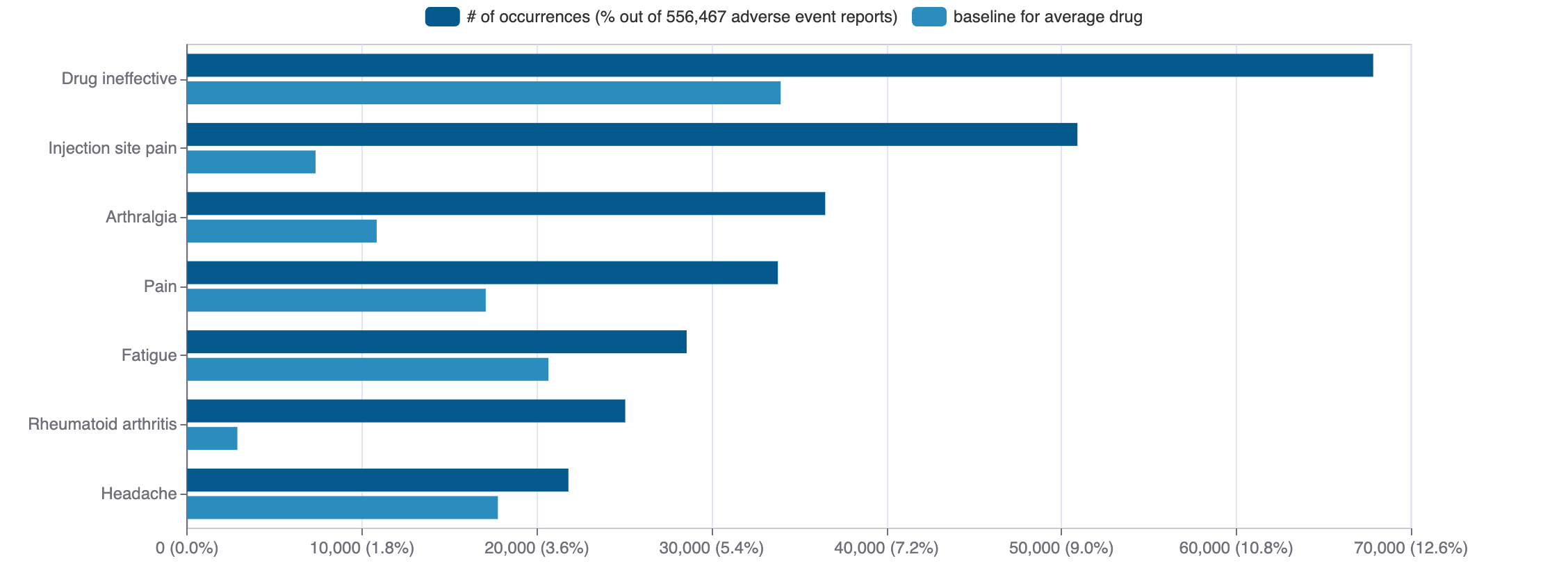
Mock data
Subscribe for the real data
Subscribe for the real data
25 adverse events reported
View more details
© 2020-2025 Collaborative Drug Discovery Inc. (CDD) | Terms of Use