
Ibipinabant
Ibipinabant is a small molecule pharmaceutical. It is currently being investigated in clinical studies. The pharmaceutical is active against cannabinoid receptor 1. In addition, it is known to target cannabinoid receptor 2.
Download report
Favorite
Events Timeline
Commercial
Clinical
Drug
Target
Variants
Financial
Trends
Safety
Events Timeline
5D
1M
3M
6M
YTD
1Y
2Y
5Y
Max
Events
FDA approval date
EMA approval date
Patent expiration date
Study first post date
Last update post date
Start date
Primary completion date
Completion date
Results first post date
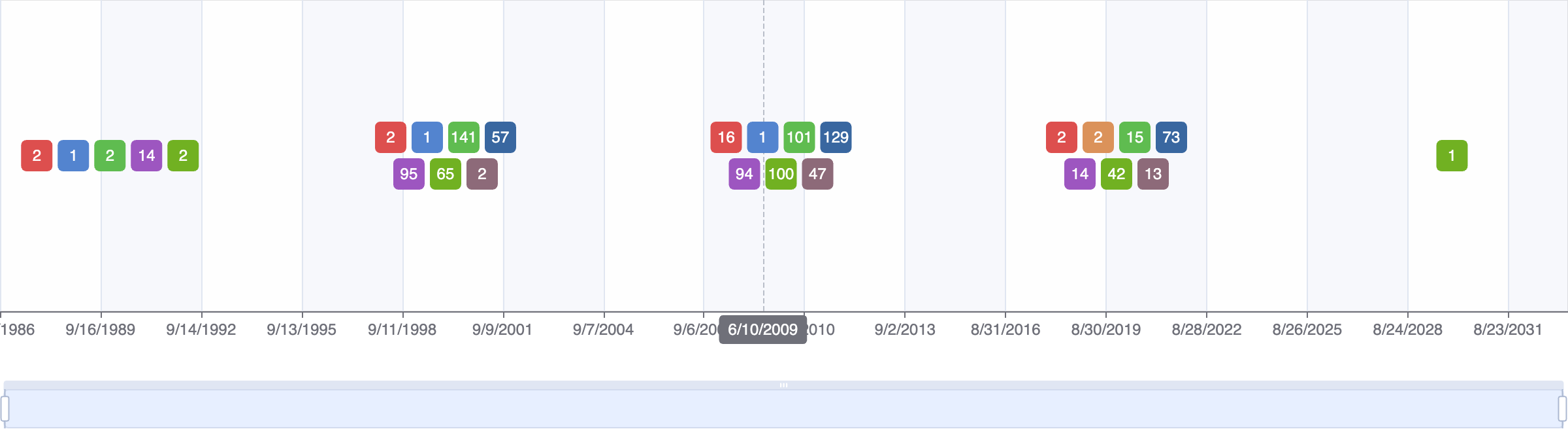
Mock data
Subscribe for the real data
Subscribe for the real data
Commercial
No data
Clinical
Clinical Trials
2 clinical trials
View more details
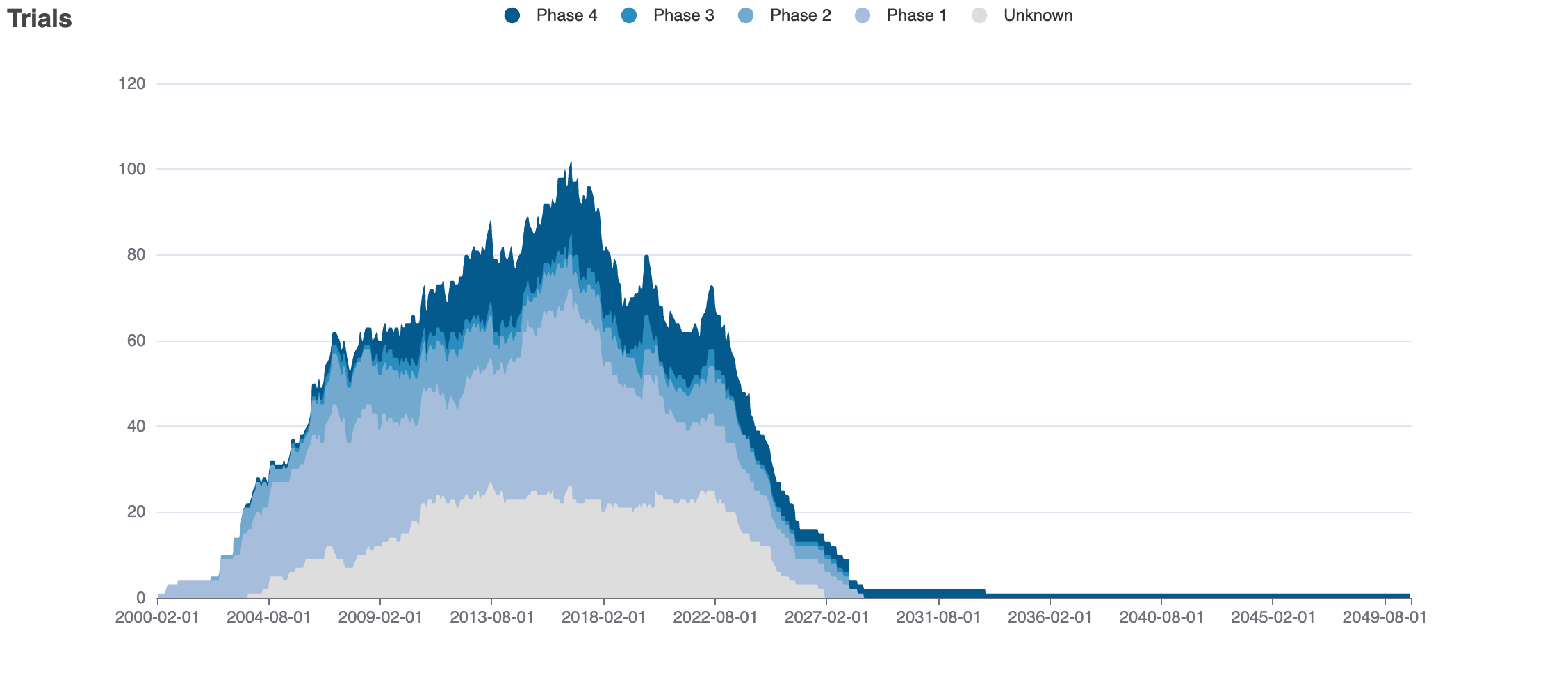
Mock data
Subscribe for the real data
Subscribe for the real data
Indications Phases 4
No data
Indications Phases 3
Indication | MeSH | Ontology | ICD-10 | Ph 1 | Ph 2 | Ph 3 | Ph 4 | Other | Total |
|---|---|---|---|---|---|---|---|---|---|
| Type 2 diabetes mellitus | D003924 | EFO_0001360 | E11 | — | 1 | 1 | — | — | 1 |
| Overweight | D050177 | — | E66.3 | — | 1 | 1 | — | — | 1 |
Indications Phases 2
Indication | MeSH | Ontology | ICD-10 | Ph 1 | Ph 2 | Ph 3 | Ph 4 | Other | Total |
|---|---|---|---|---|---|---|---|---|---|
| Obesity | D009765 | EFO_0001073 | E66.9 | — | 1 | — | — | — | 1 |
Indications Phases 1
No data
Indications Without Phase
No data
Epidemiology
Epidemiological information for investigational and approved indications
View more details
Drug
General
| Drug common name | Ibipinabant |
| INN | ibipinabant |
| Description | Ibipinabant (SLV319, BMS-646,256) is a drug used in scientific research which acts as a potent and highly selective CB1 antagonist. It has potent anorectic effects in animals, and was researched for the treatment of obesity, although CB1 antagonists as a class have now fallen out of favour as potential anorectics following the problems seen with rimonabant, and so ibipinabant is now only used for laboratory research, especially structure-activity relationship studies into novel CB1 antagonists. SLV330, which is a structural analogue of Ibipinabant, was reported active in animal models related to the regulation of memory, cognition, as well as in addictive behavior. An atom-efficient synthesis of ibipinabant has been reported.
|
| Classification | Small molecule |
| Drug class | cannabinol derivatives: CB (e.g., CB, CB2, etc.) cannabinoid receptor antagonists |
| Image (chem structure or protein) |  |
| Structure (InChI/SMILES or Protein Sequence) | CN/C(=N\S(=O)(=O)c1ccc(Cl)cc1)N1C[C@H](c2ccccc2)C(c2ccc(Cl)cc2)=N1 |
Identifiers
| PDB | — |
| CAS-ID | 362519-49-1 |
| RxCUI | — |
| ChEMBL ID | CHEMBL412262 |
| ChEBI ID | — |
| PubChem CID | 9826744 |
| DrugBank | — |
| UNII ID | O5CSC6WH1T (ChemIDplus, GSRS) |
Target
Variants
No data
Financial
No data
Trends
PubMed Central
Top Terms for Disease or Syndrome:
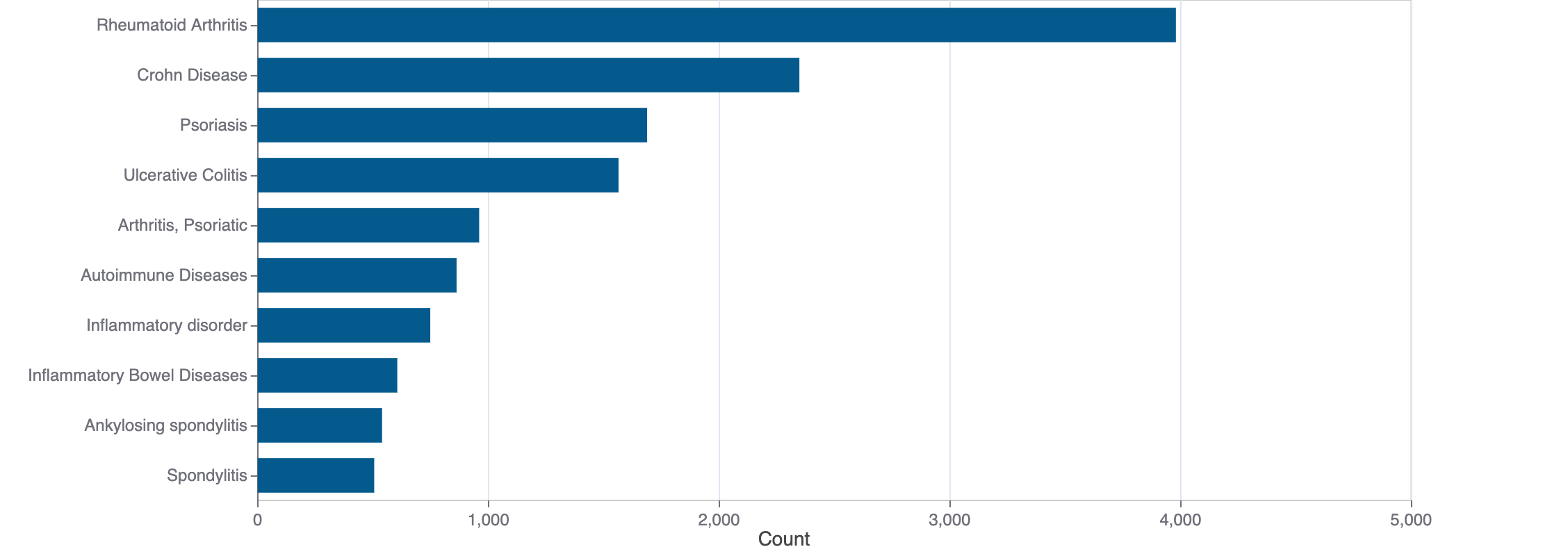
Mock data
Subscribe for the real data
Subscribe for the real data
Additional graphs summarizing 151 documents
View more details
Safety
Black-box Warning
No Black-box warning
Adverse Events
0 adverse events reported
© 2020-2025 Collaborative Drug Discovery Inc. (CDD) | Terms of Use