
Budiodarone
Budiodarone is a small molecule pharmaceutical. It is currently being investigated in clinical studies.
Download report
Favorite
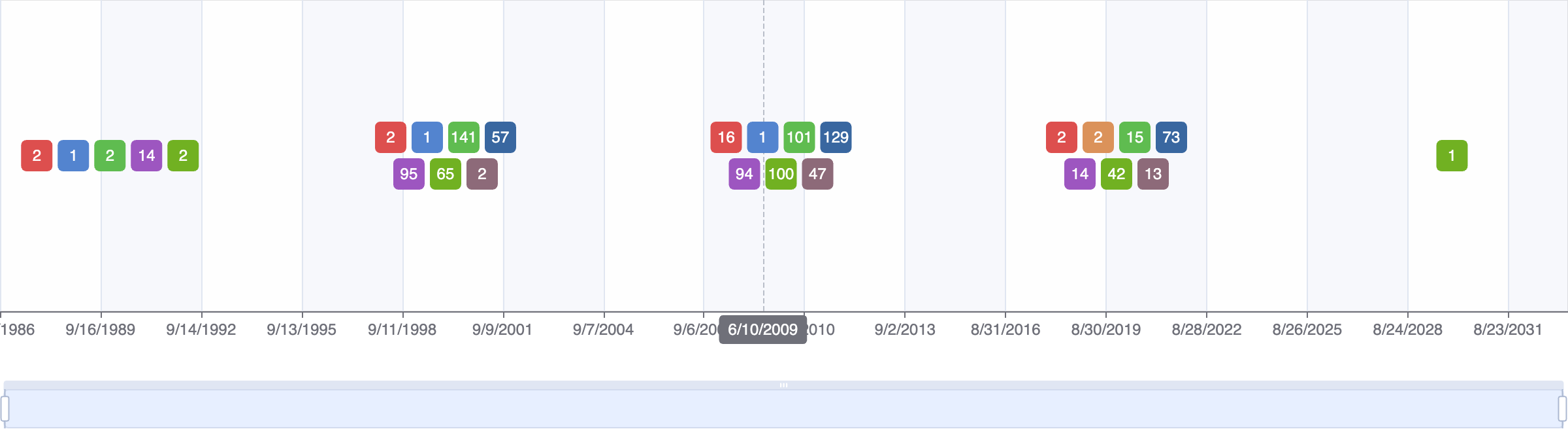
Events Timeline
Commercial
Clinical
Drug
Target
Variants
Financial
Trends
Safety
Events Timeline
5D
1M
3M
6M
YTD
1Y
2Y
5Y
Max
Events
FDA approval date
EMA approval date
Patent expiration date
Study first post date
Last update post date
Start date
Primary completion date
Completion date
Results first post date
Mock data
Subscribe for the real data
Subscribe for the real data
Commercial
No data
Clinical
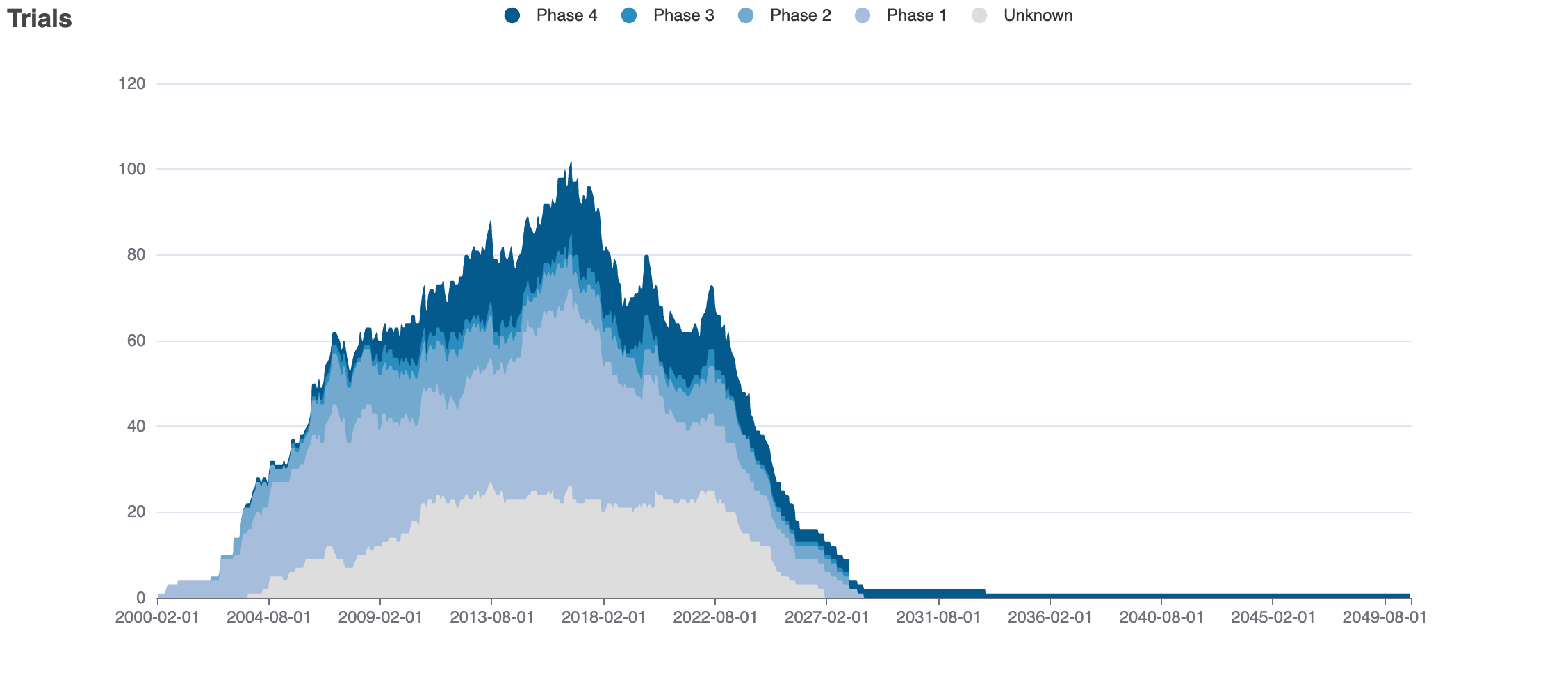
Clinical Trials
6 clinical trials
View more details
Mock data
Subscribe for the real data
Subscribe for the real data
Indications Phases 4
No data
Indications Phases 3
Indication | MeSH | Ontology | ICD-10 | Ph 1 | Ph 2 | Ph 3 | Ph 4 | Other | Total |
|---|---|---|---|---|---|---|---|---|---|
| Atrial fibrillation | D001281 | EFO_0000275 | I48.0 | — | 4 | 1 | — | — | 4 |
| Atrial flutter | D001282 | EFO_0003911 | — | — | 2 | 1 | — | — | 2 |
Indications Phases 2
Indication | MeSH | Ontology | ICD-10 | Ph 1 | Ph 2 | Ph 3 | Ph 4 | Other | Total |
|---|---|---|---|---|---|---|---|---|---|
| Ventricular tachycardia | D017180 | — | I47.2 | — | 2 | — | — | — | 2 |
| Cardiac arrhythmias | D001145 | EFO_0004269 | I49.9 | — | 2 | — | — | — | 2 |
| Tachycardia | D013610 | — | R00.0 | — | 1 | — | — | — | 1 |
| Ventricular fibrillation | D014693 | EFO_0004287 | I49.01 | — | 1 | — | — | — | 1 |
Indications Phases 1
No data
Indications Without Phase
No data
Epidemiology
Epidemiological information for investigational and approved indications
View more details
Drug
General
| Drug common name | Budiodarone |
| INN | budiodarone |
| Description | Budiodarone (ATI-2042) is an antiarrhythmic agent and chemical analog of amiodarone that is currently being studied in clinical trials. Amiodarone is considered the most effective antiarrhythmic drug available, but its adverse side effects, including hepatic, pulmonary and thyroid toxicity as well as multiple drug interactions, are discouraging its use. Budiodarone only differs in structure from amiodarone through the presence of a sec-butyl acetate side chain at position 2 of the benzofuran moiety. This side chain allows for budiodarone to have a shorter half-life in the body than amiodarone (7 hours versus 35–68 days) which allows it to have a faster onset of action and metabolism while still maintaining similar electrophysiological activity. The faster metabolism of budiodarone allows for fewer adverse side effects than amiodarone principally due to decreased levels of toxicity in the body.
|
| Classification | Small molecule |
| Drug class | antiarrhythmics: indicates high iodine content |
| Image (chem structure or protein) |  |
| Structure (InChI/SMILES or Protein Sequence) | CC[C@H](C)OC(=O)Cc1oc2ccccc2c1C(=O)c1cc(I)c(OCCN(CC)CC)c(I)c1 |
Identifiers
| PDB | — |
| CAS-ID | 335148-45-3 |
| RxCUI | — |
| ChEMBL ID | CHEMBL2105631 |
| ChEBI ID | — |
| PubChem CID | 9833332 |
| DrugBank | — |
| UNII ID | F5Y53150C8 (ChemIDplus, GSRS) |
Target
No data
Variants
No data
Financial
No data
Trends
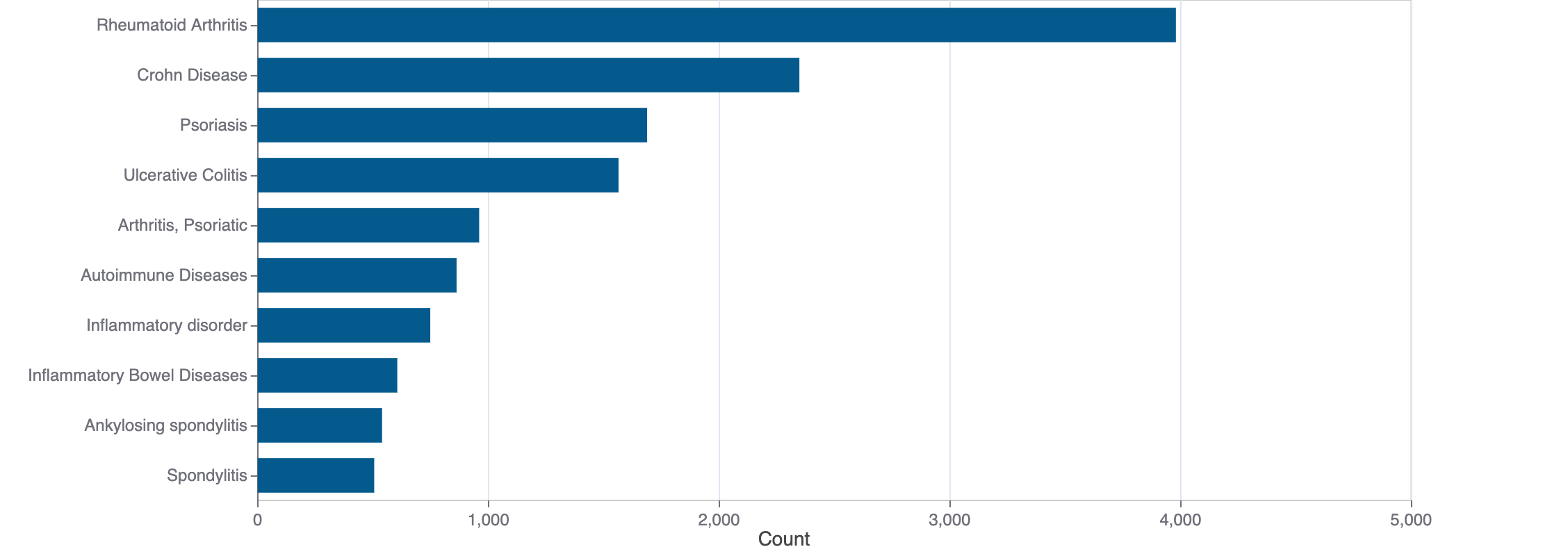
PubMed Central
Top Terms for Disease or Syndrome:
Mock data
Subscribe for the real data
Subscribe for the real data
Additional graphs summarizing 20 documents
View more details
Safety
Black-box Warning
No Black-box warning
Adverse Events
0 adverse events reported
© 2020-2025 Collaborative Drug Discovery Inc. (CDD) | Terms of Use